
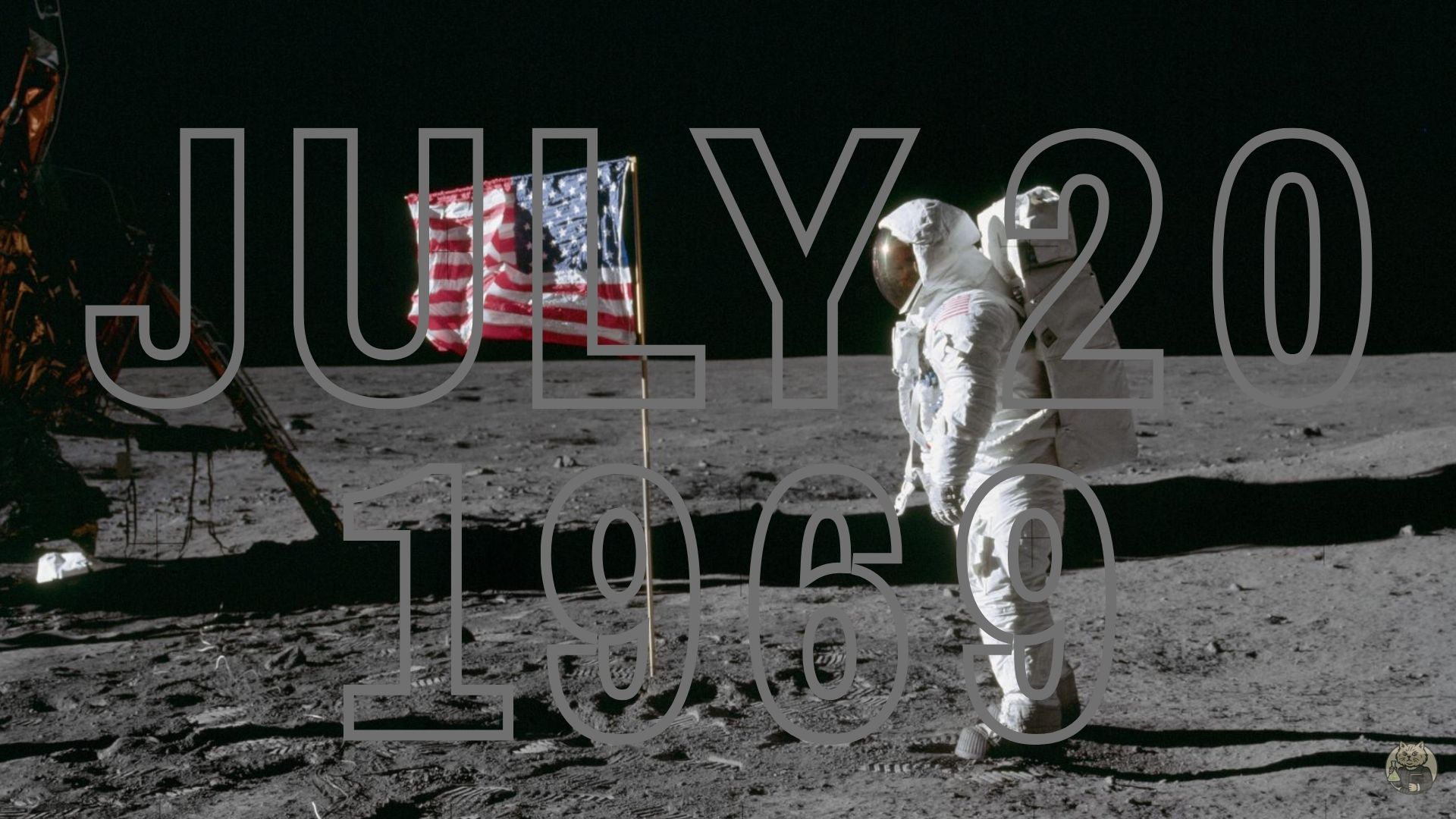
Lesser-known stories from Apollo 11, the first human Moon Landing — July 20, 1969
On July 20, 1969, silence and curiosity gripped the world as the Lunar Module Eagle dropped toward the Moon. Warning alarms blared. Fuel ran dangerously low. Then, at last, Armstrong’s calm voice crackled through: “Houston, Tranquility Base here. The Eagle has landed.”
One of the most defining moments in human history, Apollo 11’s story is filled with lesser-known details that make the first moon landing mission even more remarkable. Here are a few.
With Artemis 2 crewed flight nearby and eventually an Artemis mission moon landing in sight, these facts make up for an interesting read.
Watch the video below if you don’t want to go through the entire post. Real Footage from the Apollo 11 moon landing mission included.
1. Landing at the Edge of a Disaster

The final descent of Apollo 11 was far more dangerous than most people realise. As the Lunar Module approached its target, Armstrong saw that the planned landing site was strewn with boulders large enough to topple the fragile craft.
Taking manual control, he searched for a safer spot while the onboard computer counted down the remaining fuel.
When Eagle finally touched down, only about 20 seconds of fuel remained. Just enough for one last desperate attempt had Armstrong failed.
Quick Fact NASA’s abort threshold was 60 seconds of fuel. Armstrong used all but 20. The world didn’t know how close it came.
2. A 69-Cent Pen That Saved the Mission

In the cramped Lunar Module, a moment of dread unfolded when Buzz Aldrin accidentally snapped off a circuit breaker switch, the one that controlled the ascent engine, their only way back to orbit.
Amidst the crisis came an almost absurdly simple idea: Aldrin reached for an ordinary felt-tip pen and used its tip to push the broken switch back into place. With that improvised fix, the ascent engine could fire.
A 69-cent pen instantly transformed from a trivial tool into one of the unsung heroes of the first moon landing mission.
3. The Flag That Didn’t Last

When Armstrong and Aldrin planted the Stars and Stripes into the lunar soil, it became one of the most iconic images in history. Very few people know that the Apollo 11 flag did not remain standing for long.
The exhaust from the Lunar Module’s ascent engine toppled it as the astronauts lifted off to rejoin Michael Collins in orbit.
Later missions placed flags farther away, but decades of unfiltered sunlight and micrometeoroid impacts have almost certainly bleached them pale.
What were once bold symbols of achievement are now probably faded beyond recognition.
4. Collins: The Forgotten Astronaut

While Armstrong and Aldrin walked on the Moon’s surface, Michael Collins remained alone in lunar orbit aboard the Command Module Columbia.
For nearly a full day, he circled the Moon precisely 30 times, sometimes passing behind it and losing all contact with Earth.
Unlike his companions, he never set foot on the Moon, and popular memory frequently overlooked his vital contribution.
He later described himself as privileged, and emphatically not the “loneliest man alive,” contrary to what the media labeled him.
Even in later years, Collins remained deliberately out of the limelight. His efforts were essential to Apollo 11’s success.
5. The Smell of the Moon

After returning from their historic moonwalk, Armstrong and Aldrin noticed an unusual odor inside the Lunar Module.
Lunar dust had clung to their spacesuits, bringing with it a scent they described as similar to burnt charcoal or ash.
Scientists later determined that the dust’s tiny, sharp-edged particles and unique chemical composition likely interacted with the air inside the module to create the smell.
Even today, this odor remains one of the most curious aspects of the lunar experience.
Imagine a perfume that smells exactly like that.
6. The Fear of Space Germs

Scientists were worried that lunar microbes might have been carried back to Earth. Aldrin, Armstrong, and Collins were placed in a three-week quarantine immediately upon re-entry, splashing down in the Pacific Ocean on July 24th, 1969.
The trio was transferred to a mobile quarantine facility immediately after splashdown, then transported to the NASA Lunar Receiving Laboratory at the Johnson Space Center, where they remained until their release on August 10, 1969.
No lunar microbes were ever found, but the caution was entirely warranted.
In the end, that small step for a man really did become a giant leap for mankind.
There are a lot more facts to the first human moon landing. Comment if you want a Part 2!
Also check out my post on the ‘Most Dangerous Places in the Solar System‘.